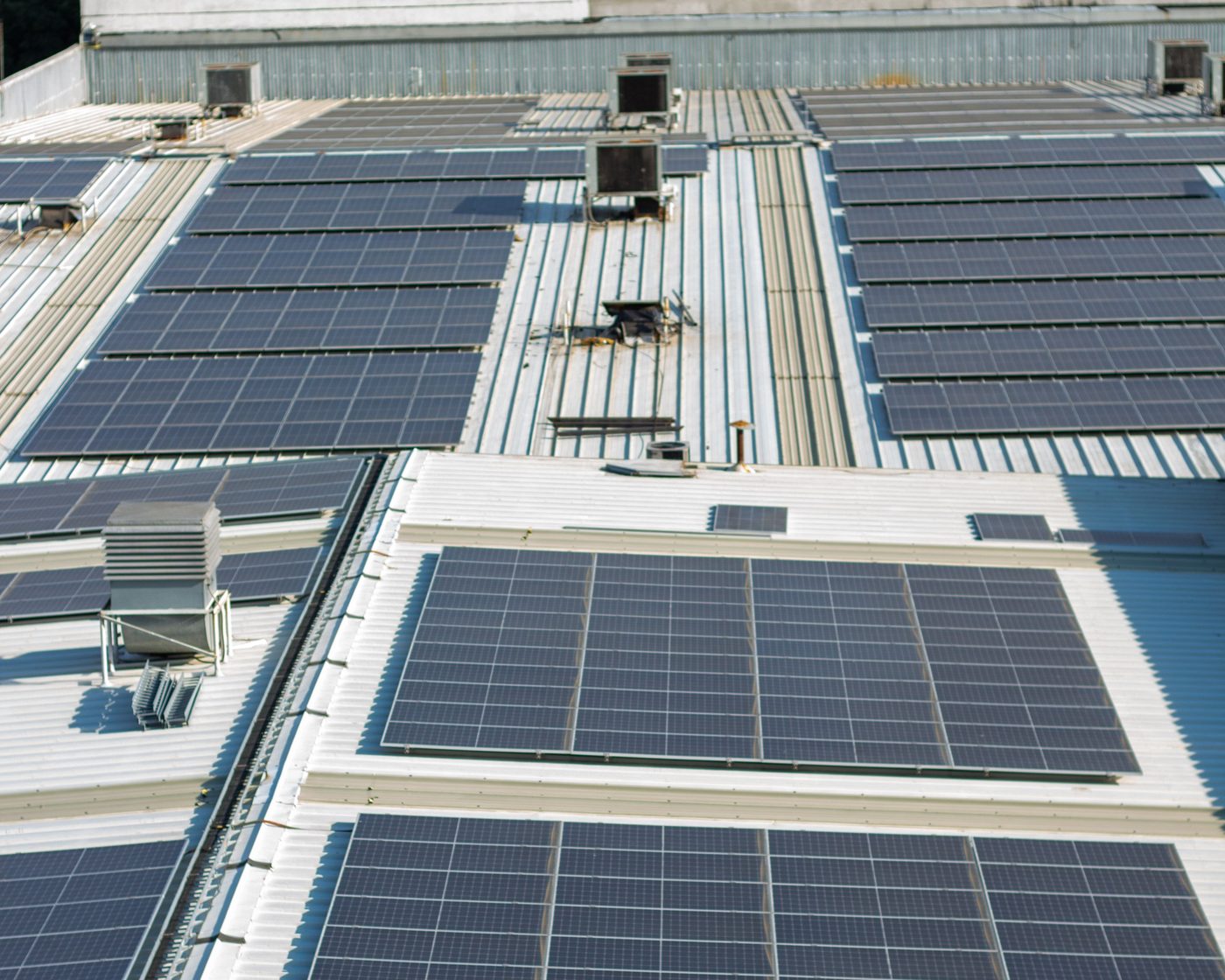
The valley’s commercial buildings are unusual: very large footprints, heavy rooftop equipment, and operations that never stop. Each type fails in its own way, and the roofing decision that suits one is the wrong decision for another.
What they share is the climate. Heat, ultraviolet light and daily thermal movement age every roof here faster than a national service life figure suggests, and the monsoon tests all of them in the same few weeks. What differs is where the weak point sits: drainage on a large roof, foot traffic on a busy one, funding on a shared one, and operating hours on a roof above paying guests.
Casinos and resorts
Work happens around guests, events and 24 hour operations, so the plan matters more than the material. Roof areas above guest rooms, meeting space and kitchens each carry different rules on hours, noise and odor, and the phasing has to be agreed area by area before anything is ordered.
Two technical issues repeat. Kitchen exhaust brings grease laden air onto the roof, which degrades some membranes and needs a compatible material and more frequent cleaning around the fans. And fresh air intakes will pull adhesive fumes straight into occupied space, so the location of every intake shapes which products can be used and when.
Access is the third constraint. Materials and waste cannot cross guest areas, which usually means night work, closed space below and a crane window agreed weeks in advance.
Warehouses and industrial parks
Huge low slope roofs with long drainage runs. The recurring problems are ponding, drain capacity and damage around dock areas and rooftop equipment.
Scale changes the method. On a roof this size, tracing a leak by eye is slow and unreliable, so an infrared or moisture survey narrows the search before anyone starts cutting. Scale also changes the arithmetic on maintenance: clearing drains and resealing details across a large field costs far less than replacing insulation across a large field.
Watch the low areas. A deck with limited slope has little margin, and an area that holds water after a storm will hold more of it as the structure relaxes over the years. Standing water is what turns a sound membrane into a failed one, and it is the single condition most worth correcting during a replacement, because the chance does not come round again for decades.
HOAs and multifamily
Many buildings, often with tile, foam and flat sections on one property. Boards need phased plans that match their reserves, and the plan only works if it is built on condition rather than on age.
Rank the buildings by what the survey found, not by the year they were finished. Two identical buildings can be years apart depending on orientation, shading, rooftop equipment and how well past repairs were done. Anything leaking is fixed now. Anything with wet insulation moves up the queue, because it gets worse with every storm. Anything sound but aging waits and is looked at again next year.
Keep the photographs. A dated record of the same roofs over several years is what converts an argument about a special assessment into a decision owners can follow.
Retail centers
Many tenants and many rooftop units, serviced by many trades. Curbs and penetrations damaged by other contractors are a common cause of leaks, and the damage is usually invisible until the first storm finds it.
The cure is a rooftop access rule rather than a better membrane:
- Walkway pads on the routes technicians actually use
- Condensate discharged to a drain, never onto the field
- Any trade going on the roof reports and photographs what it touched
- One maintenance record for the whole center, not one per tenant
Lease structure decides who pays for all of this, and it is worth reading that clause before the first leak rather than after. The same applies to roof access: if tenants can send their own contractors up without telling anyone, nobody owns the damage they leave behind.
Start with the building, not the product
Every one of these types can be roofed well with more than one system. What separates a good outcome from an expensive one is whether the specification answered the building’s real constraint: drainage on the warehouse, traffic on the retail center, funding on the HOA, operations on the resort.
Plan your project with our services, see why the desert climate shapes every decision, and check the areas we serve we cover across Southern Nevada.
Common questions
Why do rooftop units cause so many leaks on valley buildings?
Because a rooftop unit is not one roof detail but a cluster of them, and most of the damage around it is done by people rather than weather.
- Curb flashing fatigues because the unit vibrates and metal moves with temperature
- The sealed top edge is the part that opens first
- Condensate discharged onto the membrane keeps one area wet until it splits
- The access route abrades, because grit underfoot grinds in on every visit
The fix is mostly procedural. Put walkway pads on the routes technicians actually use rather than the routes the drawing shows, run condensate to a drain, and require any trade on the roof to report and photograph what it touched. On a retail center with many service contractors, that one rule prevents more leaks than any material choice.
How should an HOA board budget for roofs across several buildings?
Survey every building, rank them by condition rather than by age, and phase the plan so the reserve goes to the buildings closest to failure.
- Orientation, shading, equipment and past repairs put identical buildings years apart
- For each one: covering type and condition, and the underlayment where tile is involved
- Whether flat sections hold wet insulation, plus the condition of the details
- A recommended action with an urgency rating, which is what shows owners the order
Phasing then follows a simple rule: anything actively leaking is repaired now, anything with wet insulation moves up because it worsens with every storm, and anything sound but aging waits and is inspected again next year. Re survey annually and keep the photographs, because a dated record turns a special assessment argument into a decision.
Can roofing work happen while a casino or hotel stays open?
Yes, and it almost always has to. The work is planned around the building, so we agree in advance which roof areas sit above guest rooms, meeting space and kitchens, and what hours are permitted over each.
- Odor is the constraint owners forget, and it often decides the specification
- Some adhesives and torch applied products send fumes straight into fresh air intakes
- The plan names the affected intakes and whether they can be shut down
- Materials reach the roof and waste comes down without crossing guest areas
- Grease laden kitchen exhaust degrades some membranes, so those areas need compatible material
Crane and lift work usually happens at night with the surrounding space closed. Expect a written phasing plan before work starts, area by area, with the hours for each.
What makes a warehouse roof different from a retail roof?
Scale and drainage on one side, traffic and tenants on the other. A distribution roof is a very large low slope field with long runs to the drains. A retail center is smaller but crowded with units and worked on constantly.
- On the warehouse: ponding, drain capacity and damage at dock canopies and edges
- Finding a leak source on a roof that size is where a survey pays
- Limited slope leaves little margin, so an area that ponds will pond deeper
- On the retail center: punctures, crushed insulation, open curb flashings, condensate discharge
- Nearly all of it caused by service visits to rooftop equipment
The warehouse needs drainage design and periodic survey. The retail center needs walkway pads, a rooftop access rule and frequent inspection.
Who is responsible for the roof under a commercial lease?
It depends entirely on the lease, and the answer is usually split rather than clean. Read the clause before you agree to anything.
- Many leases give the landlord the structure and roof, with maintenance charged back
- A triple net lease can push repair or even replacement onto the tenant
- Maintenance against capital repair, since the first is normally recoverable
- Whether replacement can be charged back, and over what period
- Who controls roof access, because tenant appointed contractors cause much of the damage
For either side: agree in writing who may go on the roof, require any trade to report and photograph what it touched, and keep one maintenance record for the whole building. Where a manufacturer warranty exists, name who keeps the documented maintenance current, because an undocumented roof loses cover regardless of who pays.